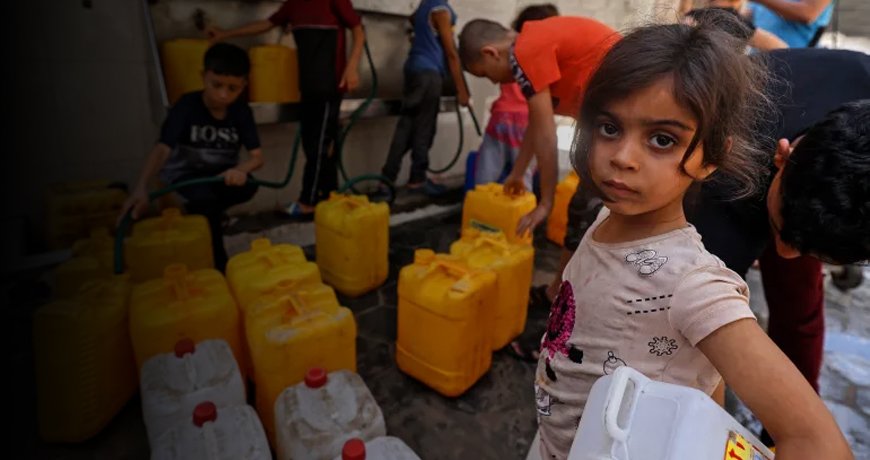
Water scarcity in Gaza is a deepening humanitarian crisis, with over 90% of the population lacking access to safe and clean water. Repeated wars, damaged infrastructure, and fuel shortages have crippled water and sanitation systems, turning thirst into a daily threat for hundreds of thousands—especially children and women. Urgent and sustainable solutions are needed to secure every person’s basic right to water.
In Gaza today, the crisis is not only about bombs and shelters. It is about every drop of water. The people of Gaza face a water catastrophe that steals dignity and life.
The Scale of the Crisis: Stark Figures
- Nearly 96 % of households in Gaza lack access to adequate quantities of safe and clean water. يونيسف أمريكا+1
- Only about 40 % of drinking water-production facilities remain functioning across Gaza. يونيسف+2Reuters+2
- Two-thirds of Gaza’s water and sanitation infrastructure has been damaged or destroyed by war impacts. يونيسف+3الأمم المتحدة+3يونيسف+3
Root Causes of the Water Catastrophe
- Destruction of infrastructure & facilities
- Repeated bombardment, shelling, and sabotage have heavily damaged water wells, pipelines, desalination units, wastewater treatment plants, and pumping stations. يونيسف+4Oxfam International+4يونيسف أمريكا+4
- Fuel shortages & power cuts
- Many water systems rely on electricity or diesel generators to pump, treat, and distribute water. With fuel blocked and power cuts rampant, even intact systems fail to operate. يونيسف+4يونيسف+4يونيسف أمريكا+4
- Contamination, salinity, and groundwater decline
- Overuse of aquifers, saltwater intrusion, untreated sewage leakage, and agricultural runoff degrade water quality, making much of it unsafe for consumption. يونيسف+4PMC+4الأمم المتحدة+4
- Restricted humanitarian access & import of essential supplies
- Many repair materials, water-treatment chemicals, spare parts, and fuel are blocked or delayed in entry, hindering restoration and operation. يونيسف أمريكا+4يونيسف+4يونيسف+4
Consequences & Human Impact
- Disease outbreaks & public health deterioration
- With unsafe water and damaged sanitation, risks of waterborne diseases—like diarrhea, cholera, typhoid—rise sharply. يونيسف+3يونيسف+3الأمم المتحدة+3
- Malnutrition and dehydration
- Lack of clean water compounds food insecurity, and dehydration can be fatal, especially among children, elderly, and sick individuals. يونيسف+3Reuters+3يونيسف+3
- Time and effort burden, especially on women & children
- Families, particularly women and children, spend hours fetching water from distant sources or standing in long queues. يونيسف+2يونيسف+2
- Psychological stress & dignity loss
- The struggle for water is daily trauma: children see their homes, schools, systems collapse; families live under constant fear of scarcity.
Efforts & Responses
- Emergency water trucking & bottled water distribution
- UNICEF and partners have distributed millions of liters of water across Gaza to vulnerable communities. يونيسف+3يونيسف+3يونيسف+3
- Rehabilitation of water systems & network repair
- Teams are restoring pipelines, repairing wells, and supporting desalination plants where possible. يونيسف أمريكا+3يونيسف+3يونيسف+3
- Seawater desalination plants & renewable energy support
- UNICEF built a desalination plant serving tens of thousands and is working to expand service using renewable energy to reduce fuel dependence. يونيسف
- Provision of hygiene kits, water containers, chemicals
- In parallel, water storage, treatment chemicals, hygiene kits, jerry cans, and hand-washing supplies are being delivered to families. يونيسف+3يونيسف+3يونيسف+3
A Call to Action
- Unhindered humanitarian access to fuel, repair materials, and spare parts.
- Long-term planning to rebuild water systems with resilience and reliance on renewable, local solutions.
- Immediate provision of clean water and sanitation support to all households.
- Technical, financial, and political support from international actors to safeguard water as a human right.